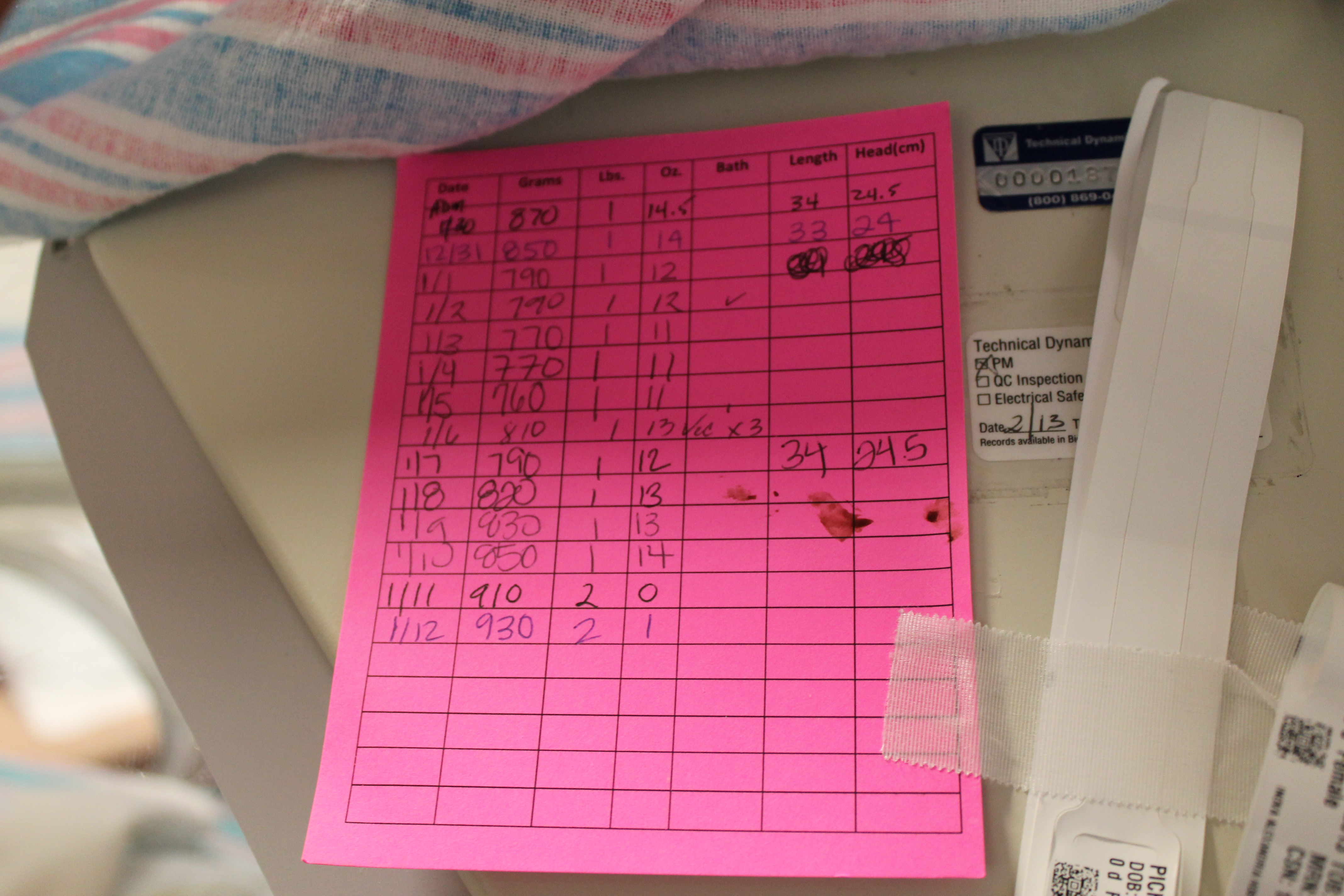
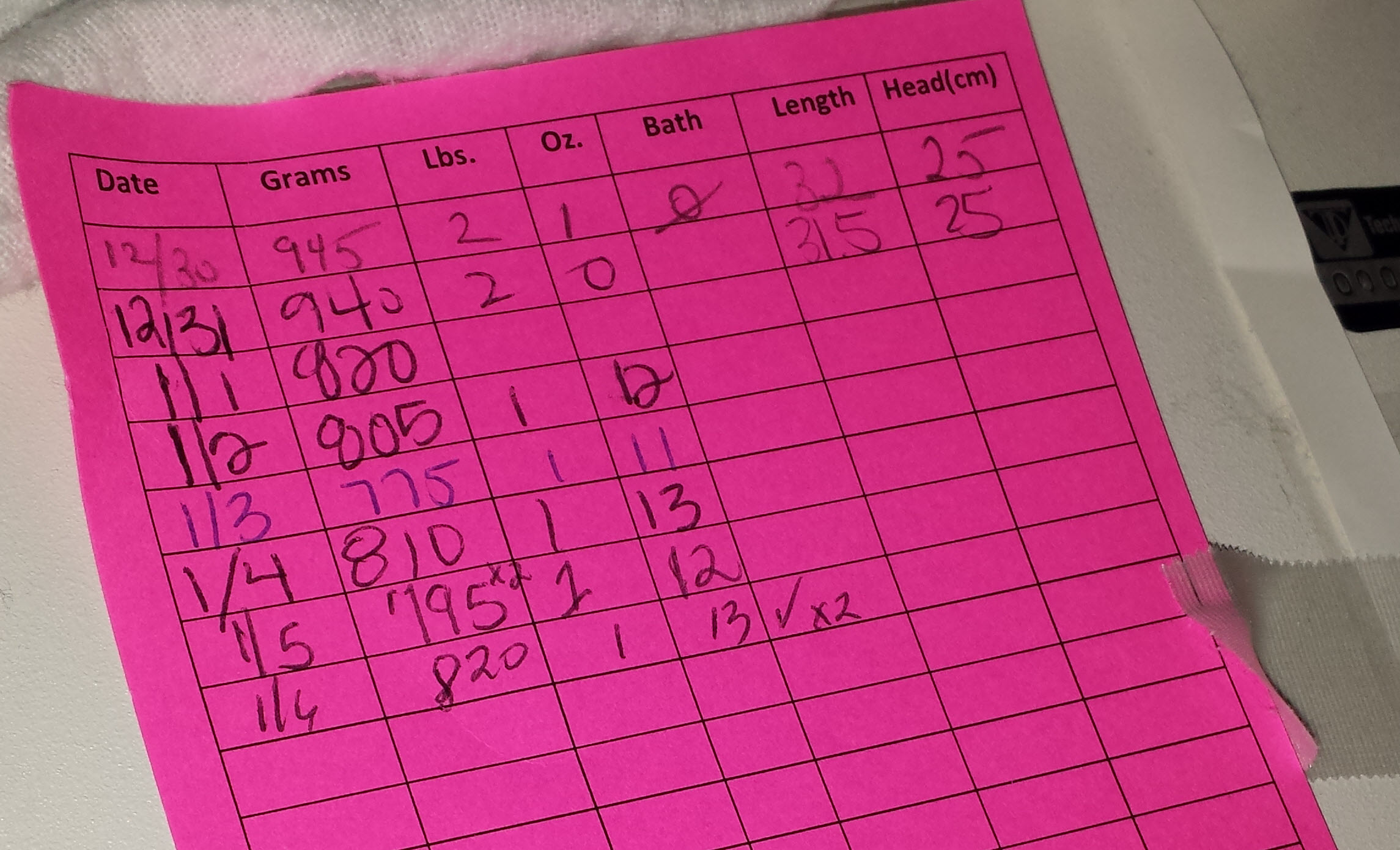
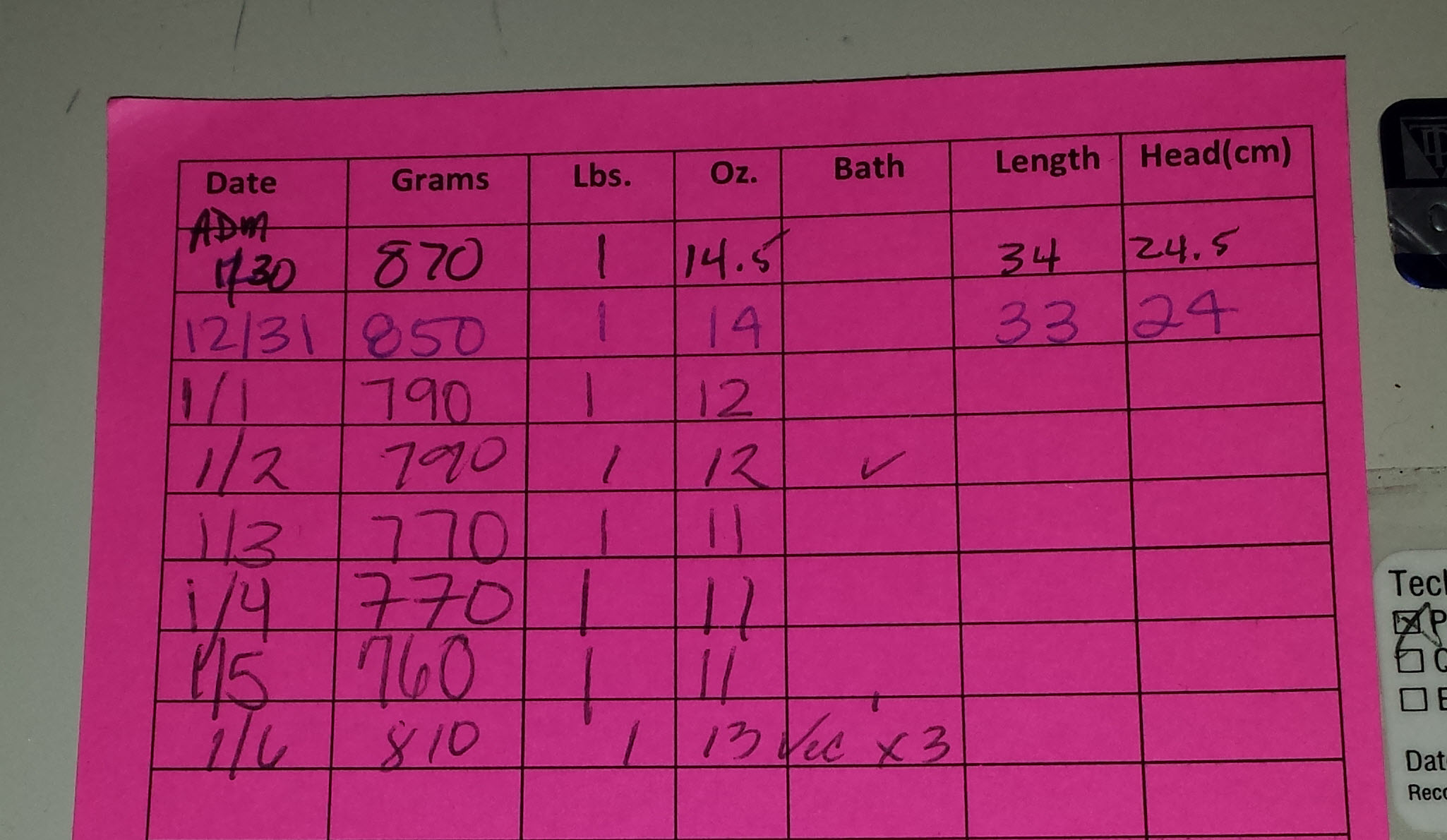
Both Max and Michaela are on the right path. Their doctors and nurses even say that they are ahead of the curve in terms of stability and development for babies their age. They both look a little bigger and more comfortable every time we visit, which is reassuring as well.
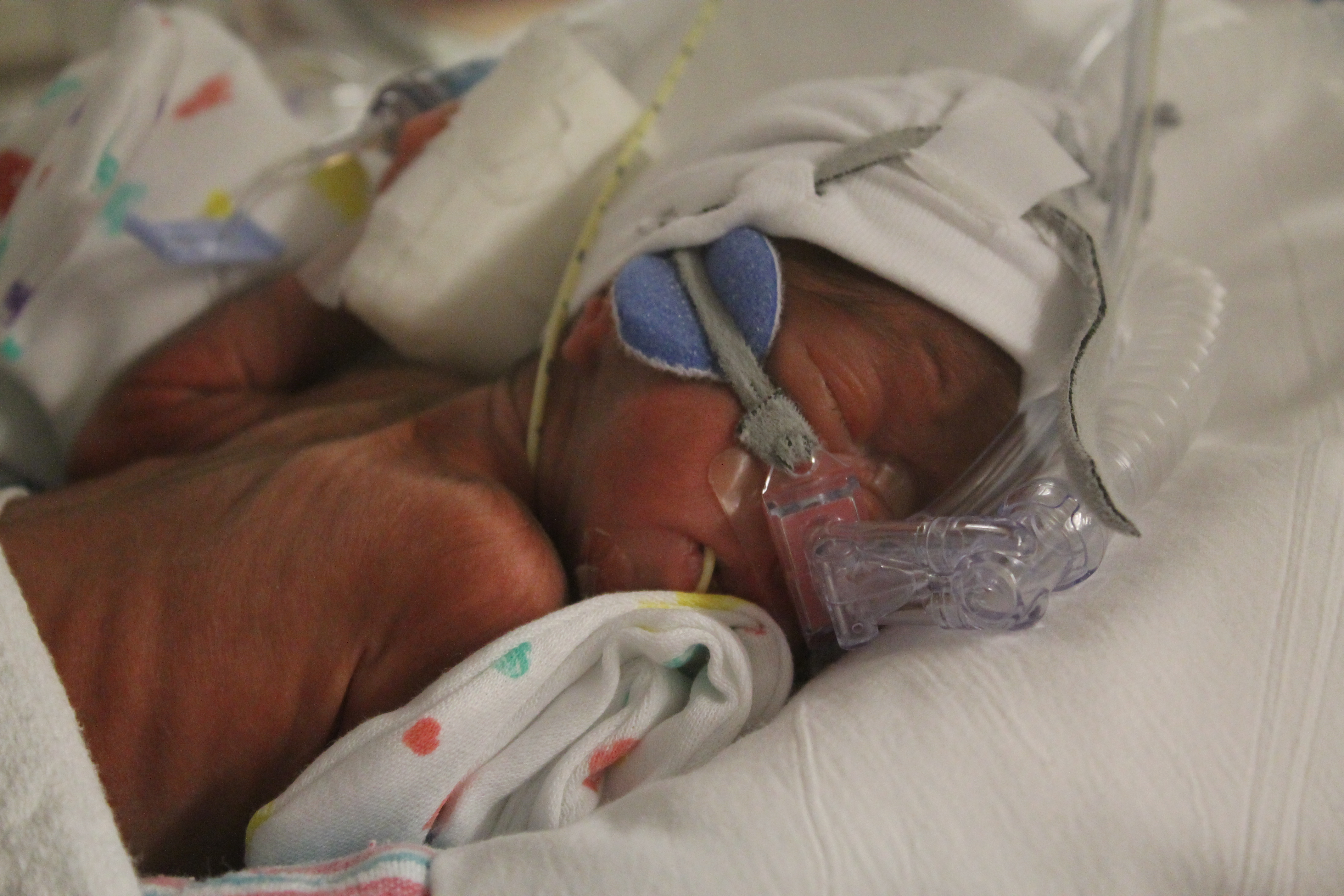
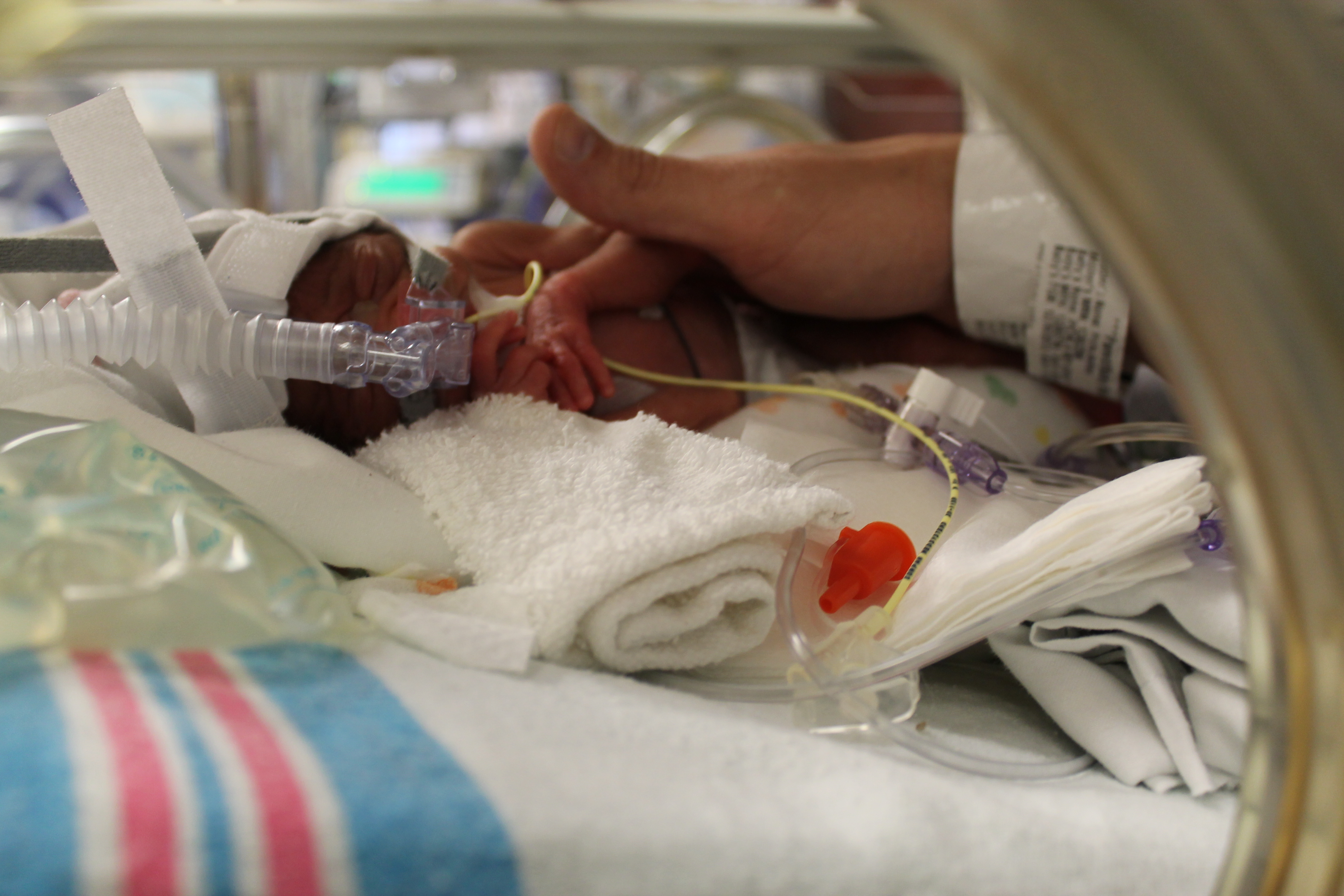
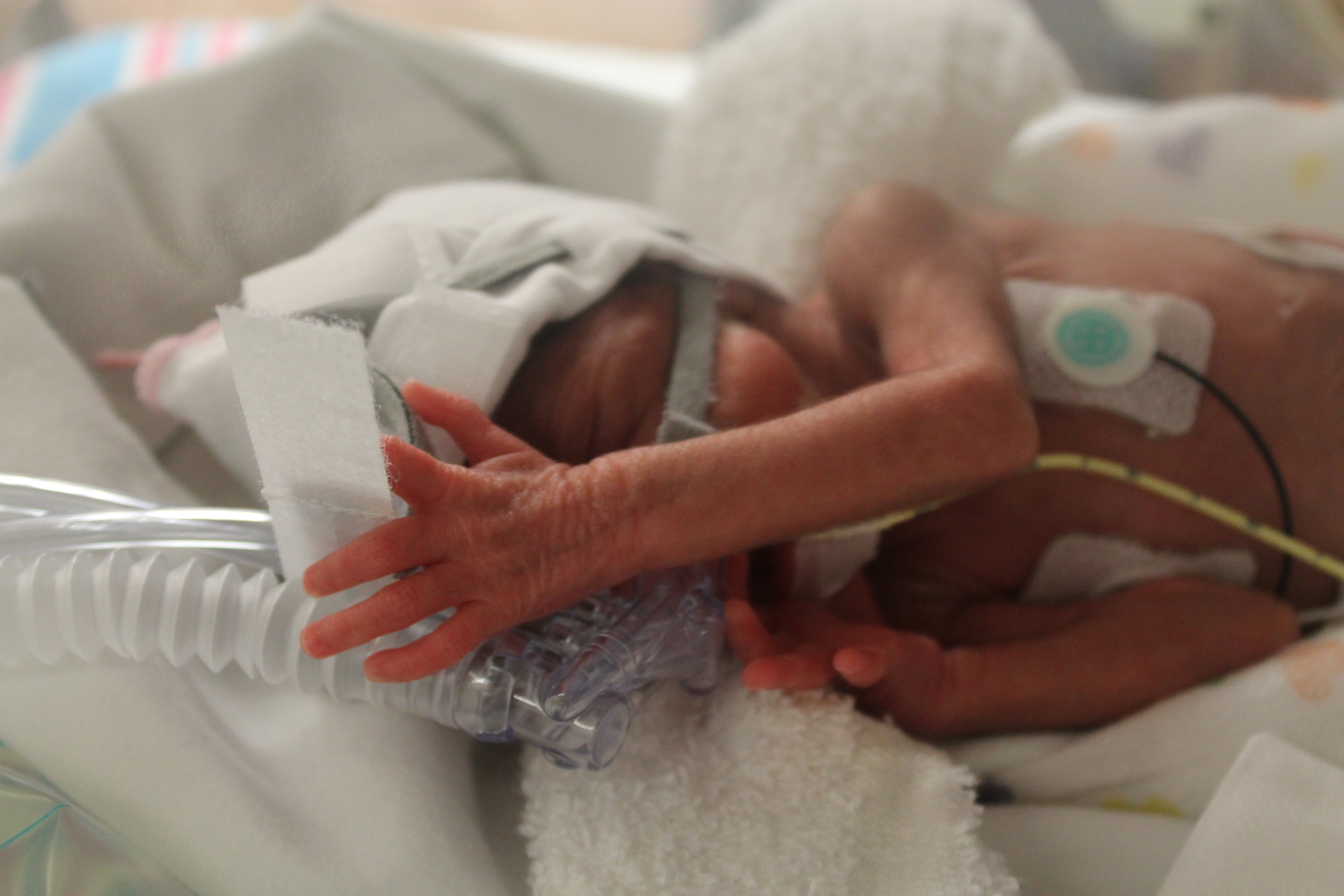
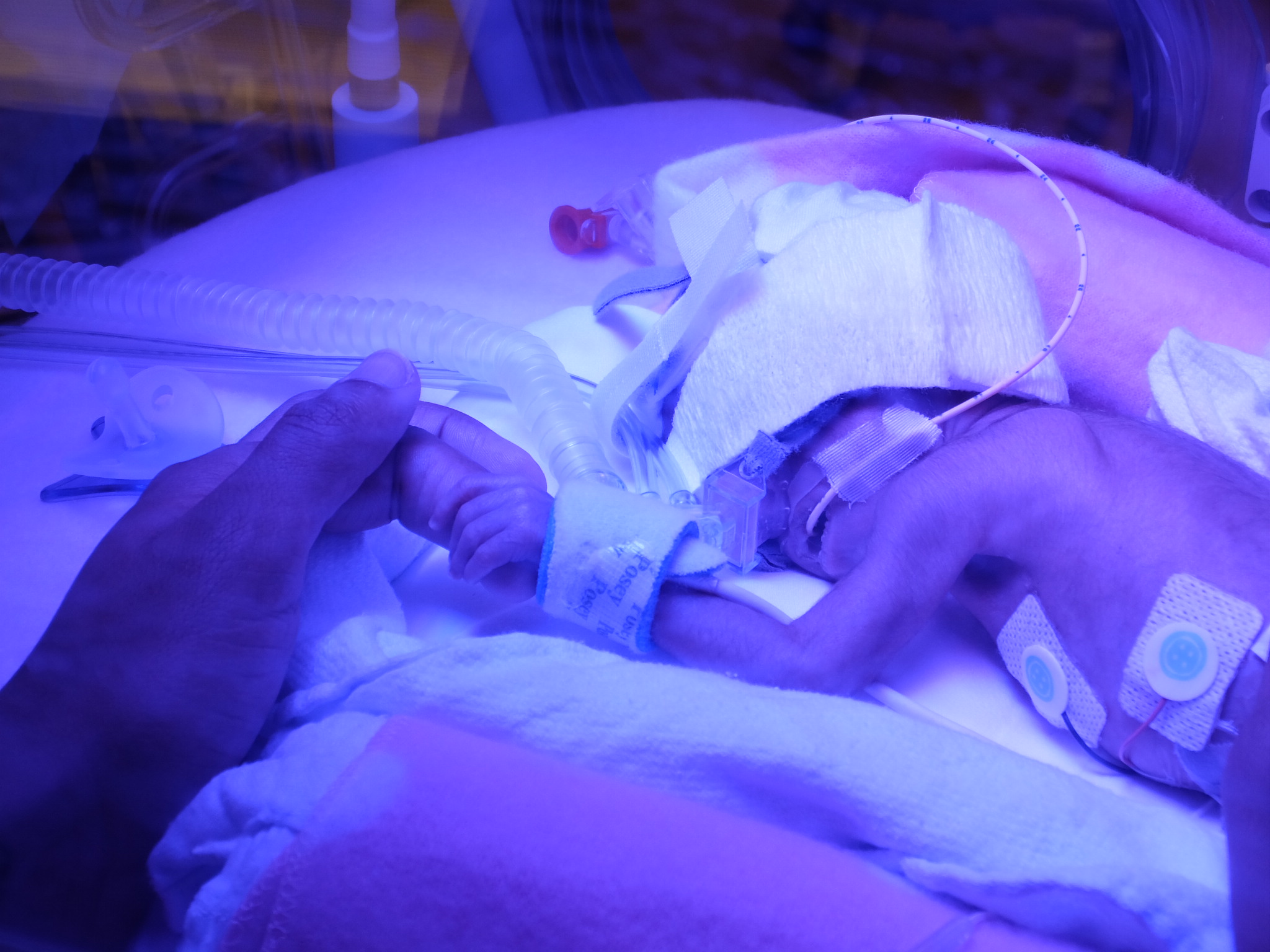
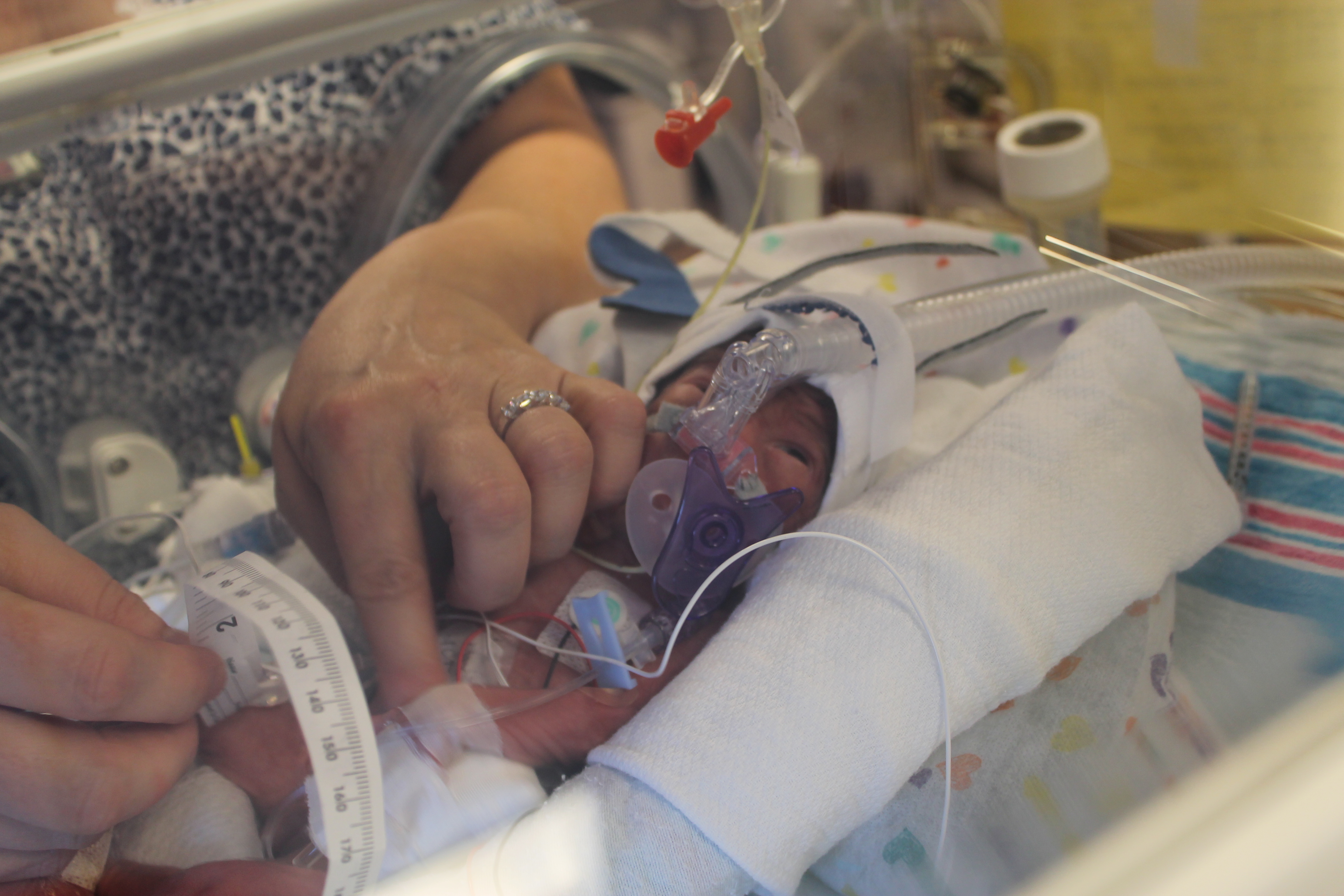
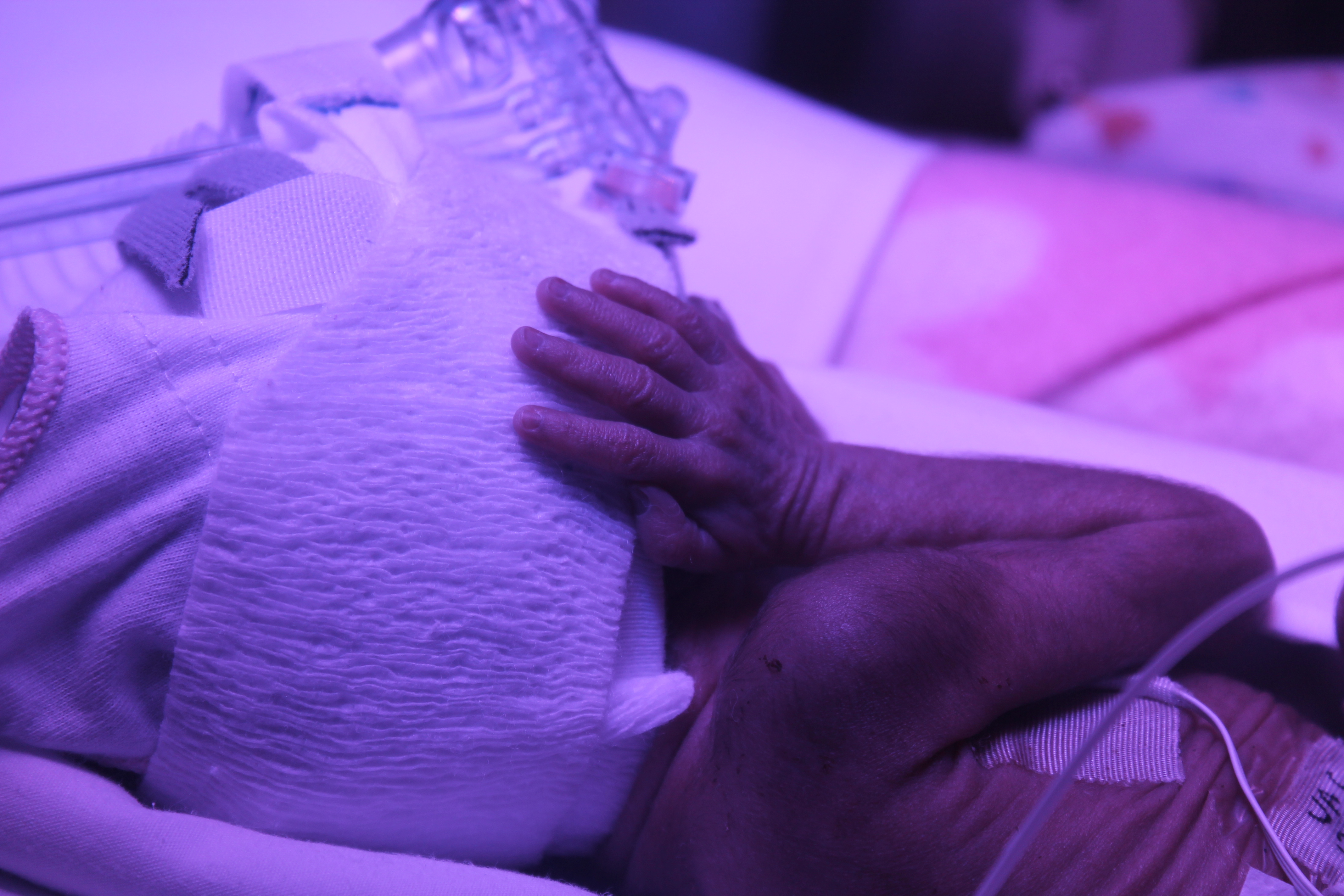
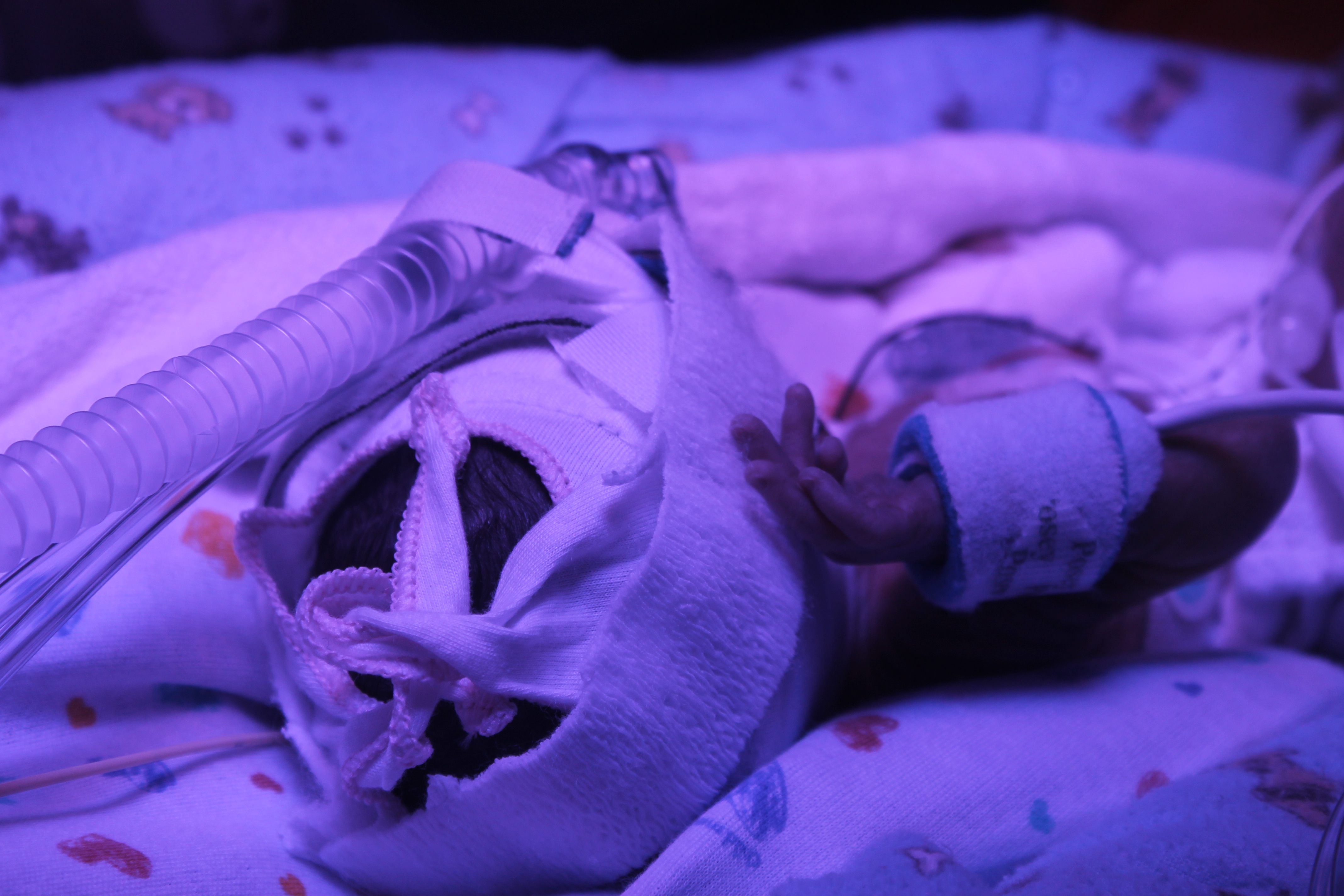
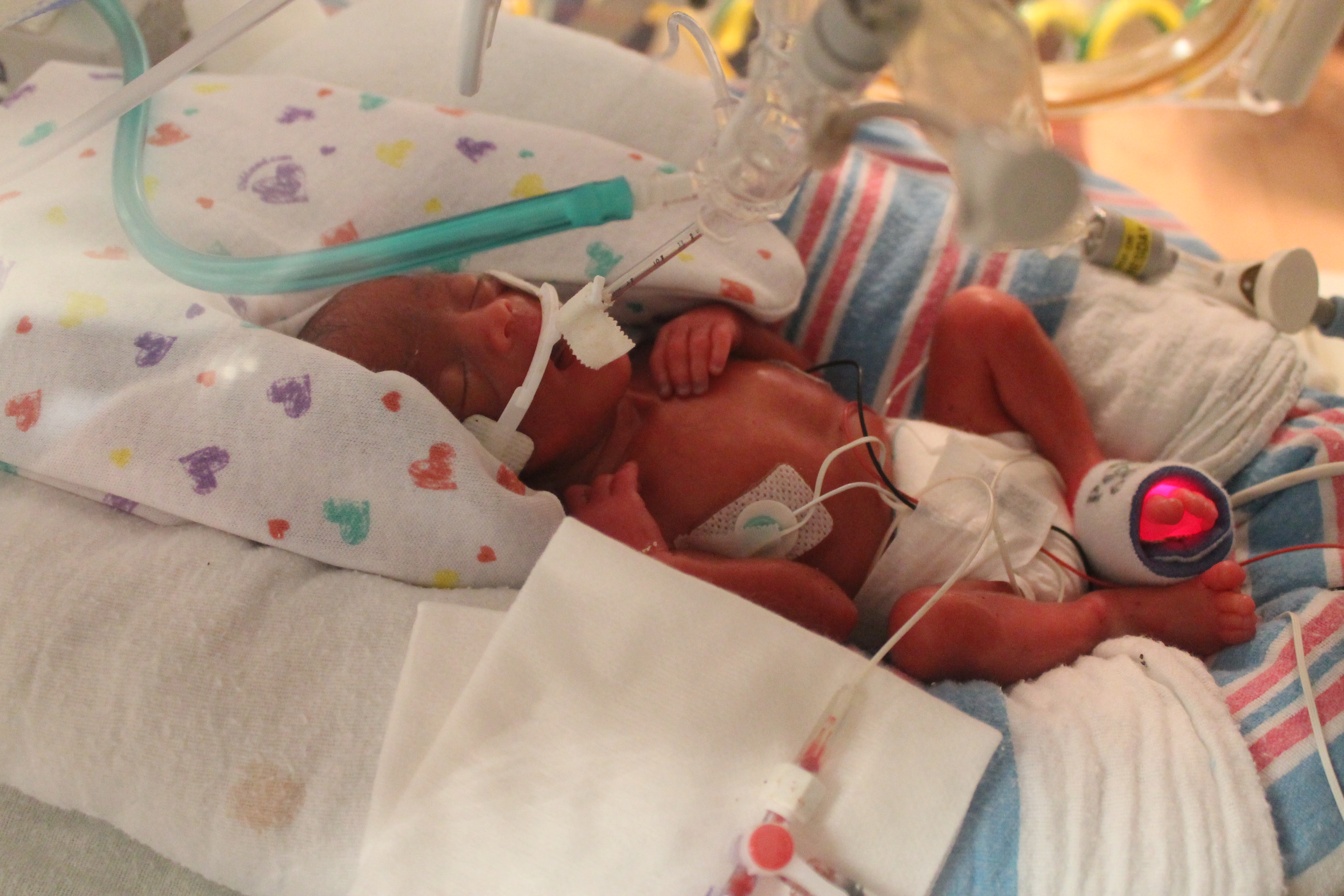
Despite their amazing progress, it’s still a bit difficult for us to get used to the ‘normal’ or ‘typical’ hiccups that premature babies have to work through. Michaela is still receiving continuous positive airway pressure (CPAP). Although she is no longer on a full ventilator and can breathe room air, CPAP ensures that her not fully developed lungs expand properly with each breath. This requires that she wears a (very uncomfortable) mask at all times – ‘typical’ for babies at this stage.
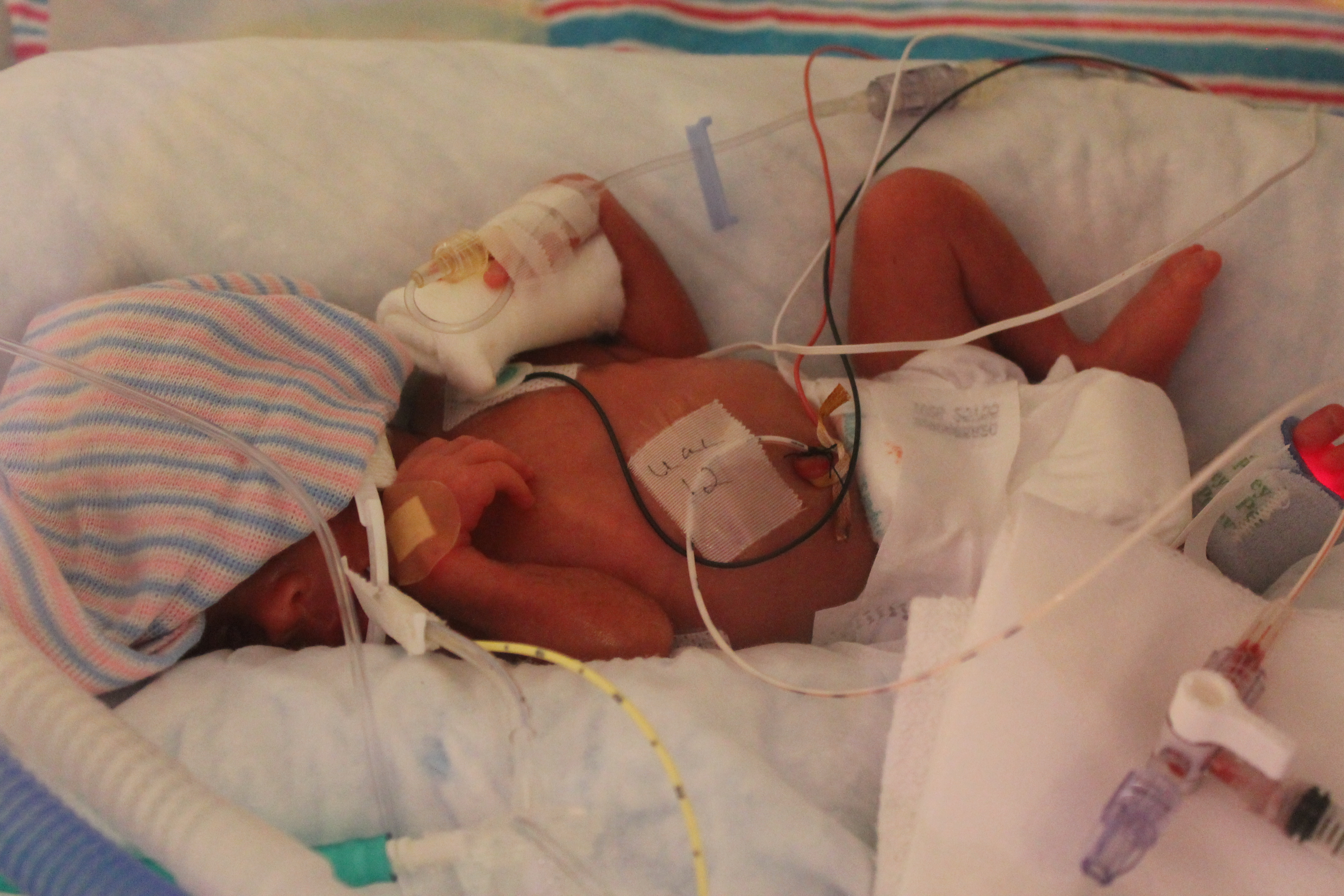
Max’s nurses heard a heart murmur while listening to his heartbeat yesterday. It was loud enough that a cardiologist was called to do an echocardiogram (sonogram of Max’s heart) in the afternoon to make sure everything was okay. The cardiologist determined that Max has a small patent ductus arteriosus (PDA). The blood vessel (ductus arteriosus) that connects that arteries of the heart and lungs while babies are in the womb typically closes with minutes or days of birth in full term babies. Max’s ductus arteriosus remains slightly open (patent). Since the opening is so small, it doesn’t seem to be causing any additional strain on Max’s heart, and the cardiologist suspects it will close on its own within the next few weeks – ‘normal’ for premature babies.
The scariest ‘normal’ issues, however, are the occurrences of apnea and bradycardia Max and Michaela both endure as they learn to breathe on their own. Premature babies’ central nervous systems are not mature enough to support continuous breathing, so they’ll periodically go through either short periods of shallow breath or stop breathing altogether (apnea). If the apnea lasts long enough, it will cause their heart rates to drop rapidly (bradycardia). Sometimes they’ll be able to recover from a brady on their own and sometimes they need help in the form of stimulation from us or the nurse. These episodes are considered ‘normal’ and are not recorded unless they last for more than 20 seconds. Thankfully neither baby has had very many episodes that last long enough to be recorded, but we’ve never experienced a longer 10 to 15 seconds than the 10 to 15 seconds where one of them is not breathing.
As seems typical for them, though, they continue to pull through… with a little help and a lot of love from their family and friends!
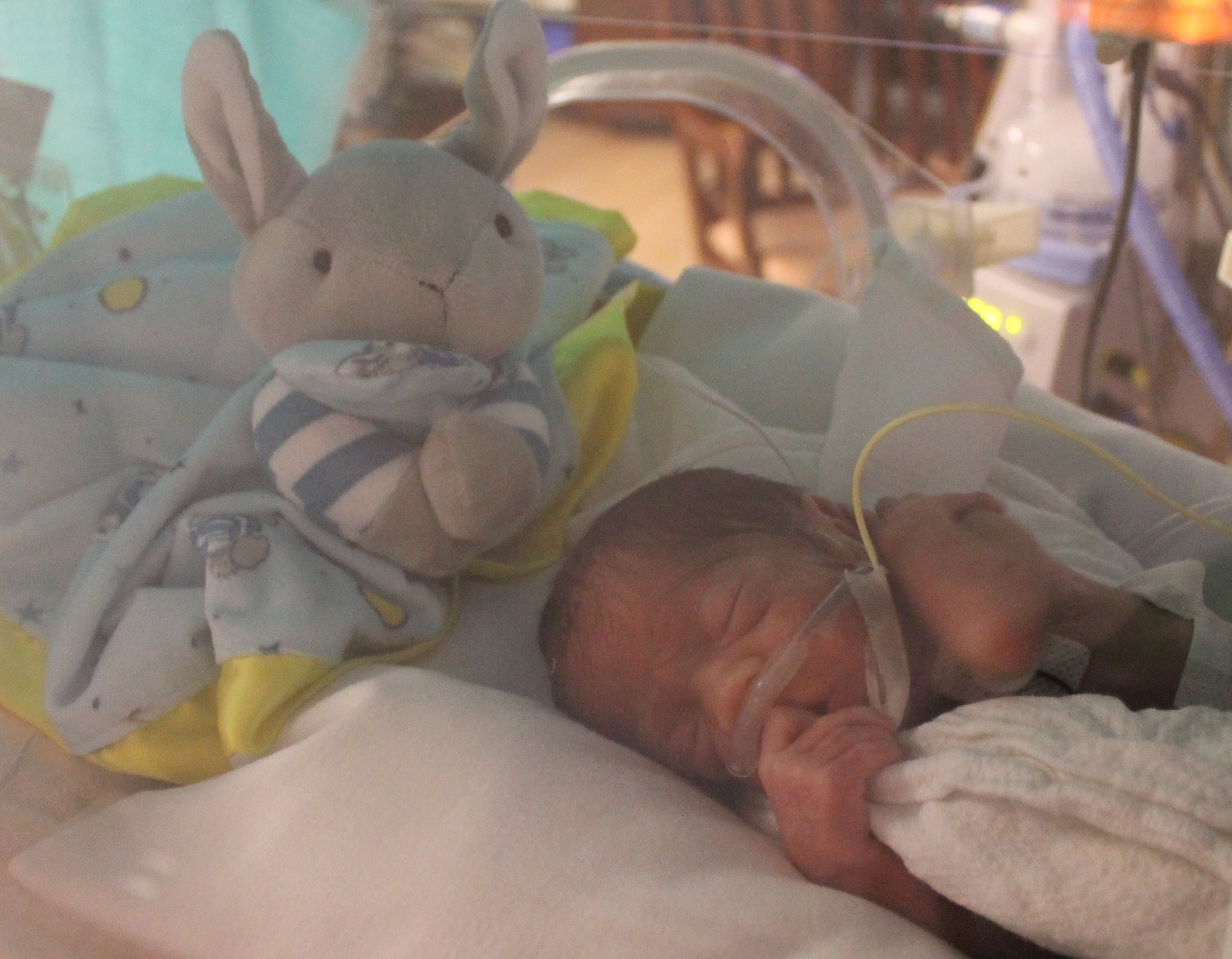
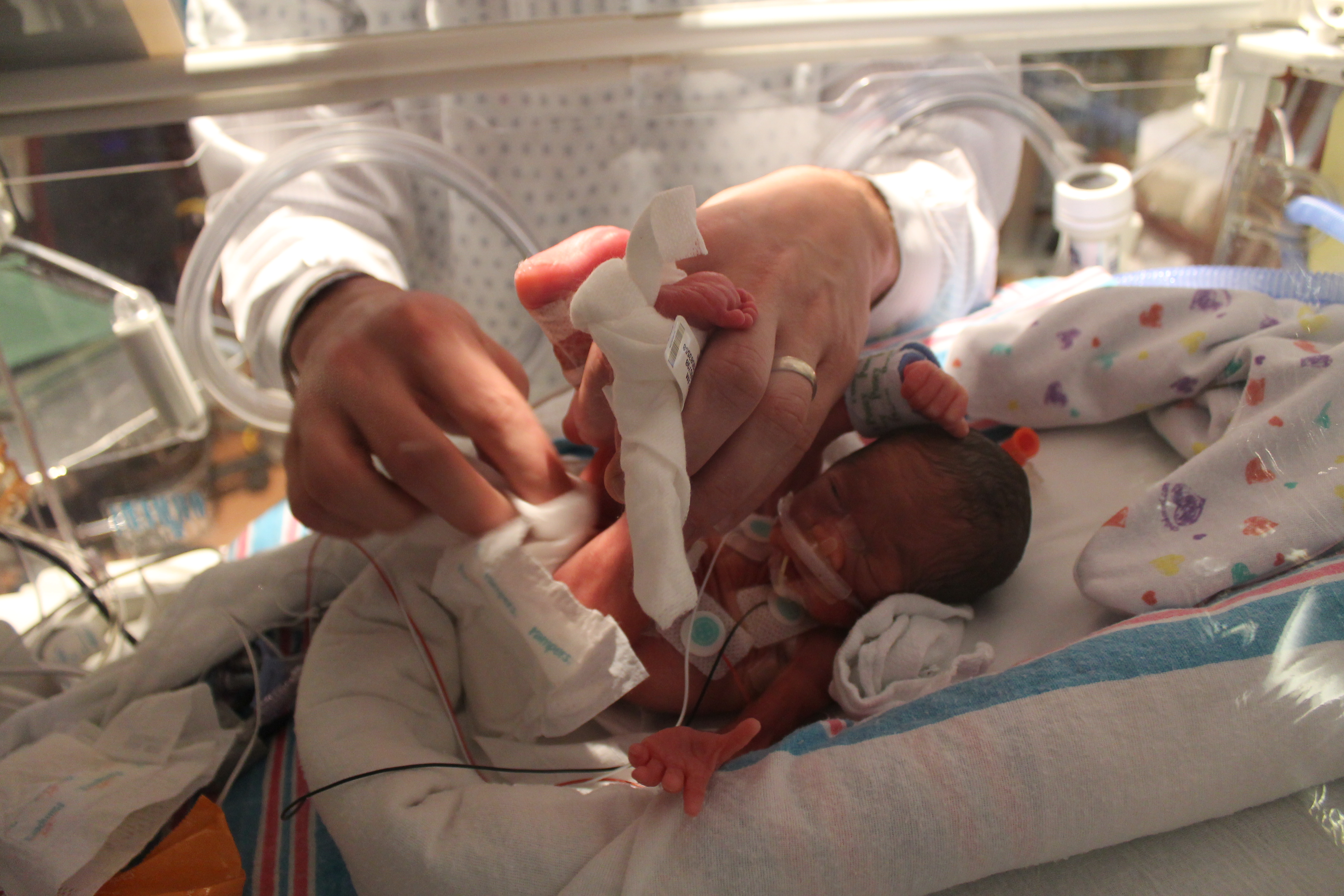
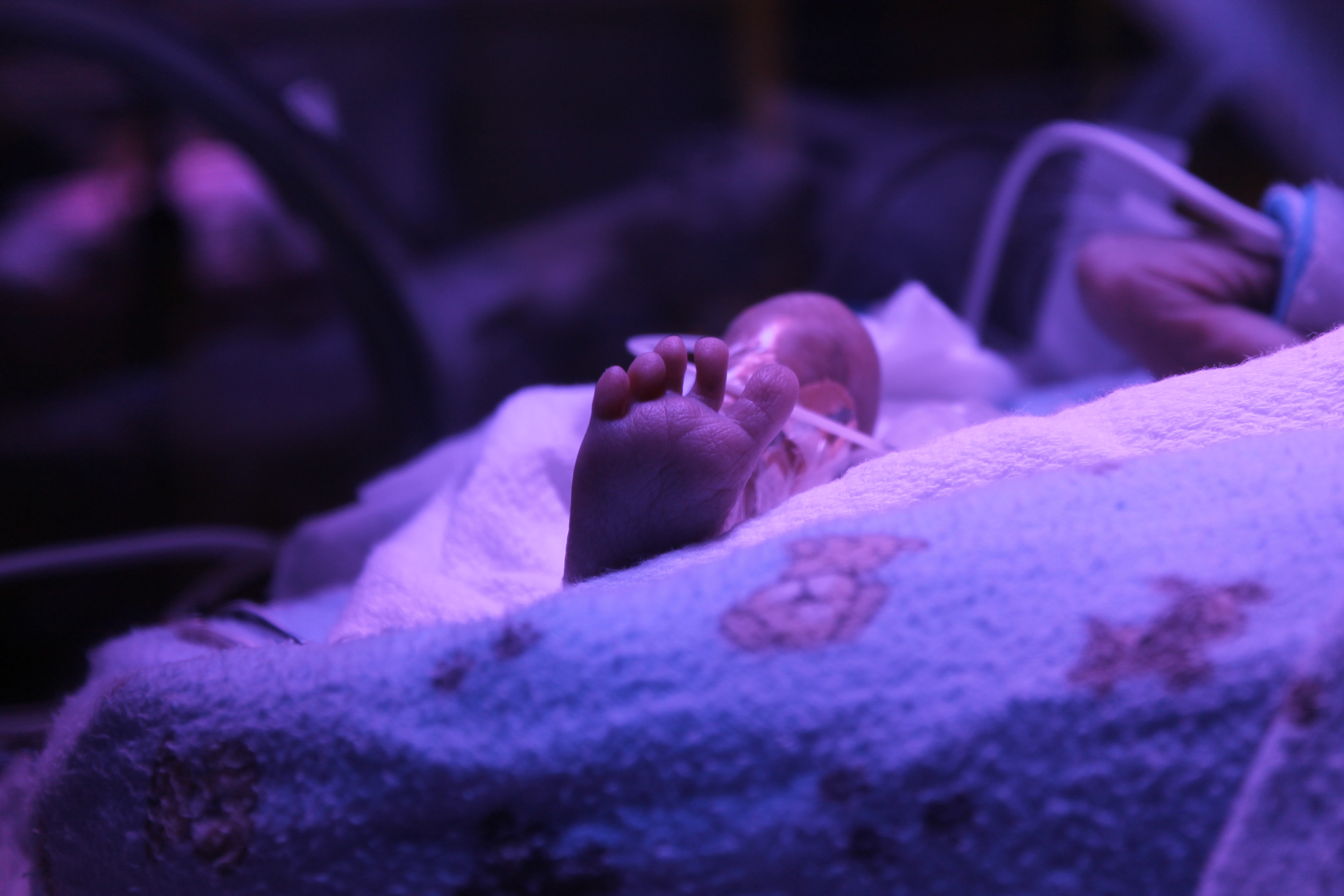
Max sleeping with his Goodnight Moon “lovey” from Cousin F
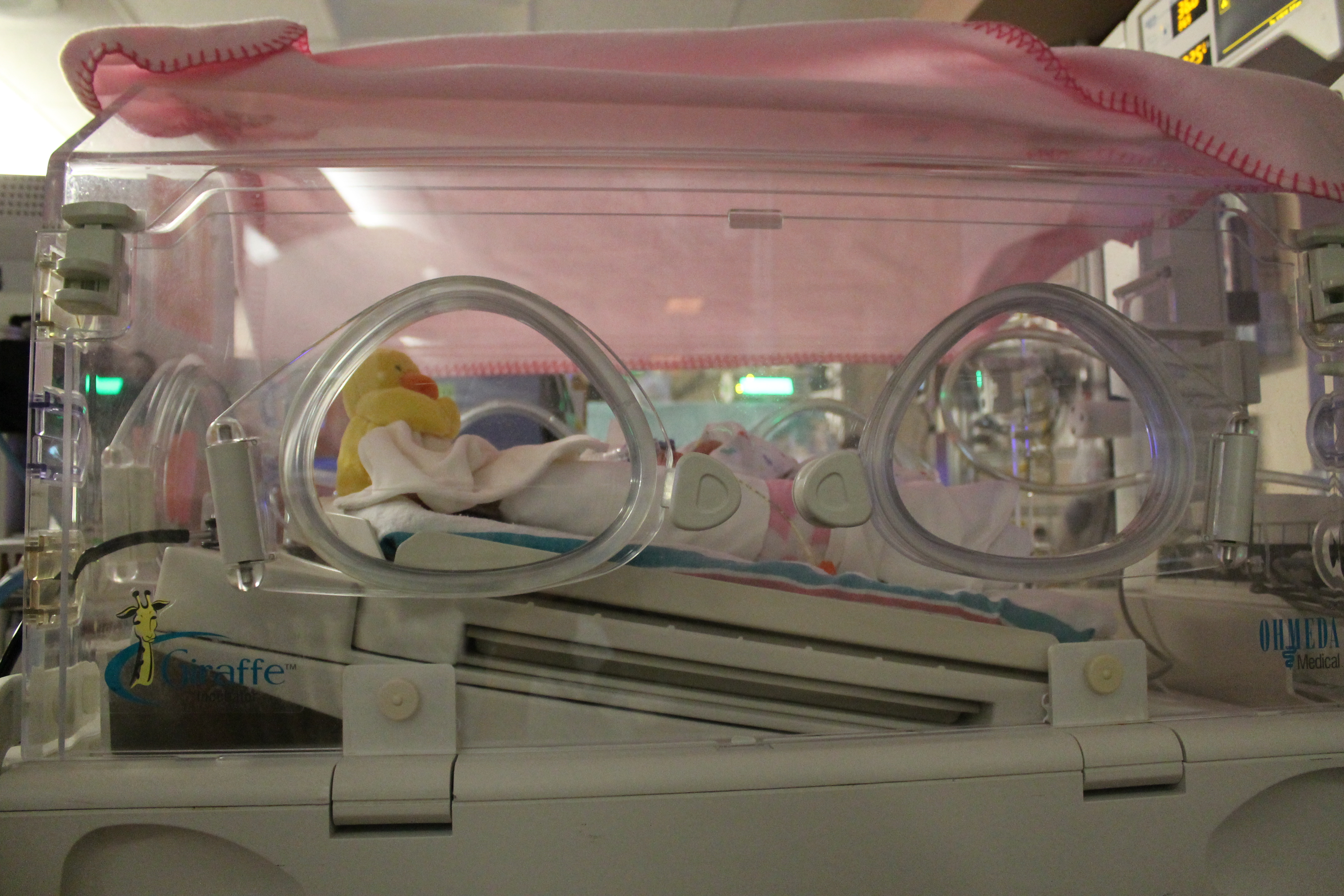
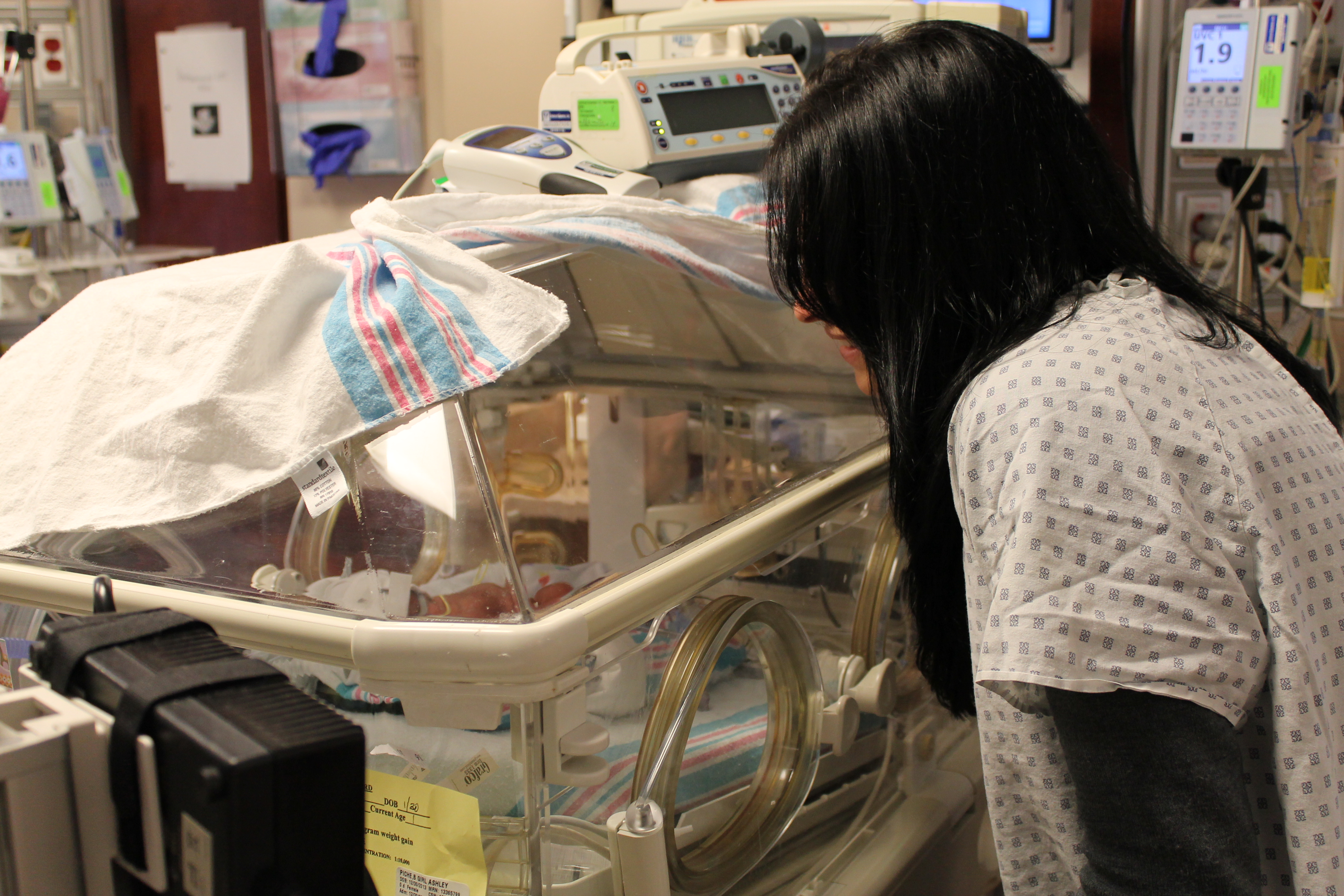
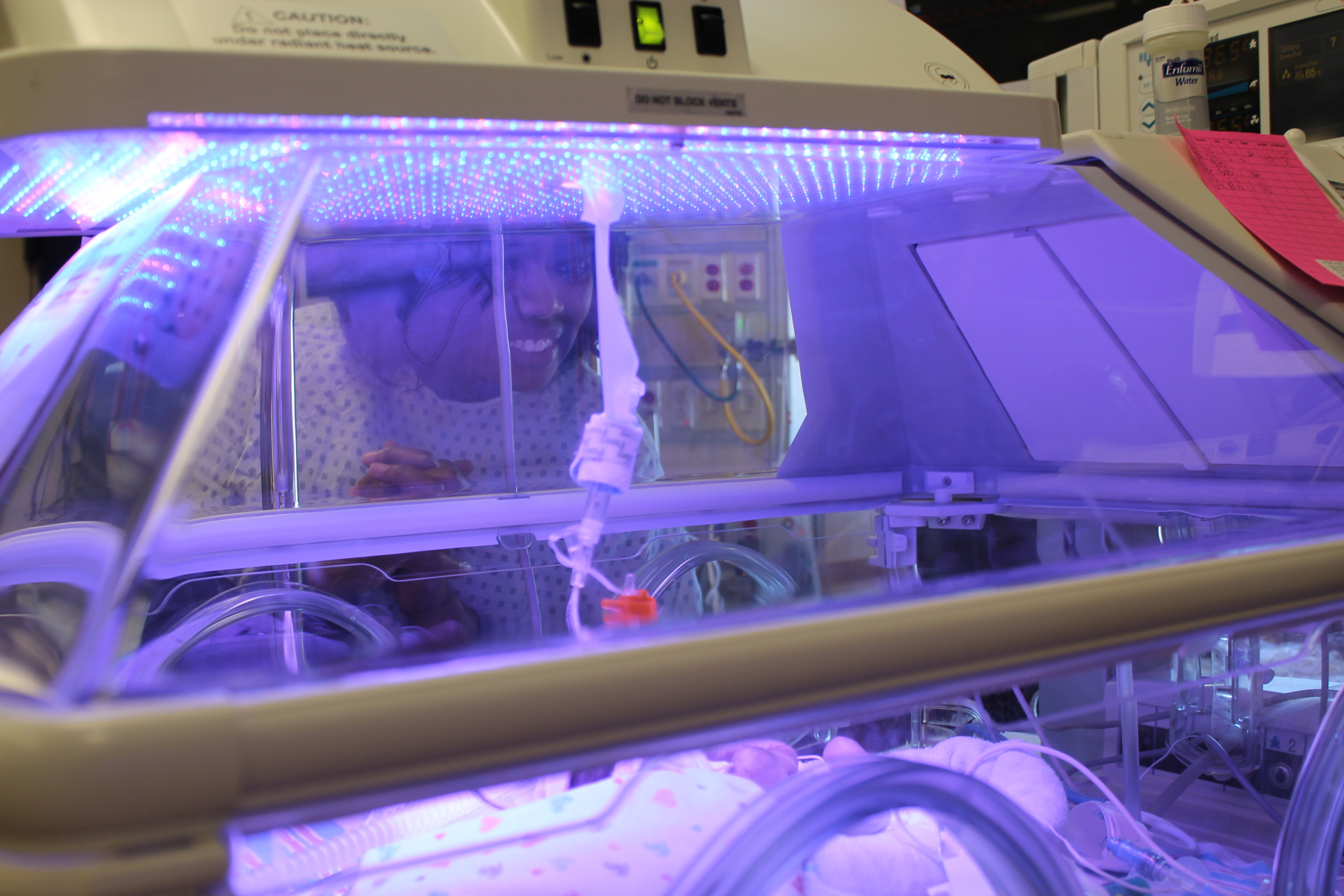
Michaela’s incubator with her pink blanket and Duckie lovey
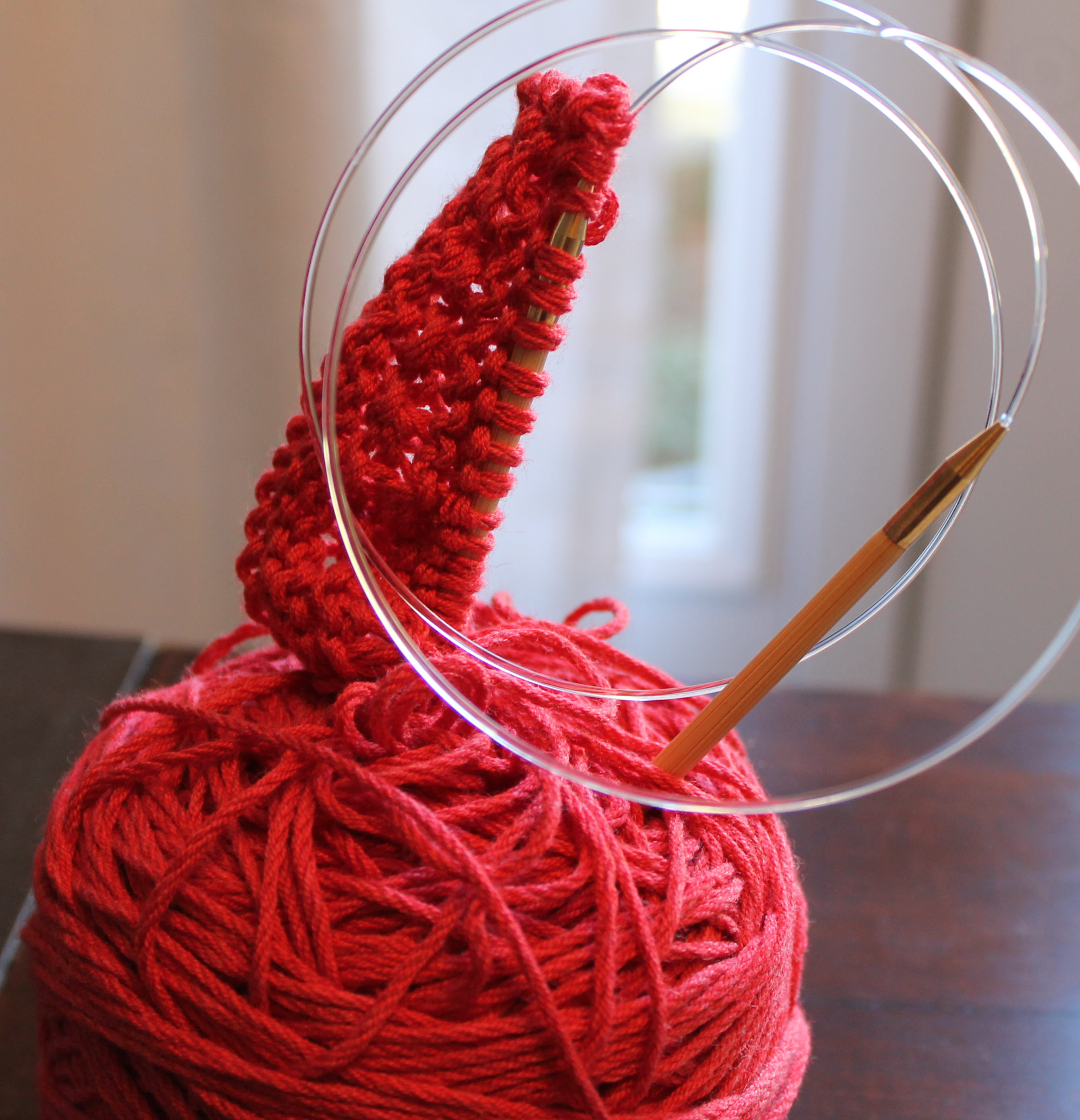
Mom’s even learning to knit so M & M will have something homemade to hold on to soon (if you know anything about Mom’s lack of hand-eye coordination and/or domestic abilities, you appreciate how big of a deal this is…!)
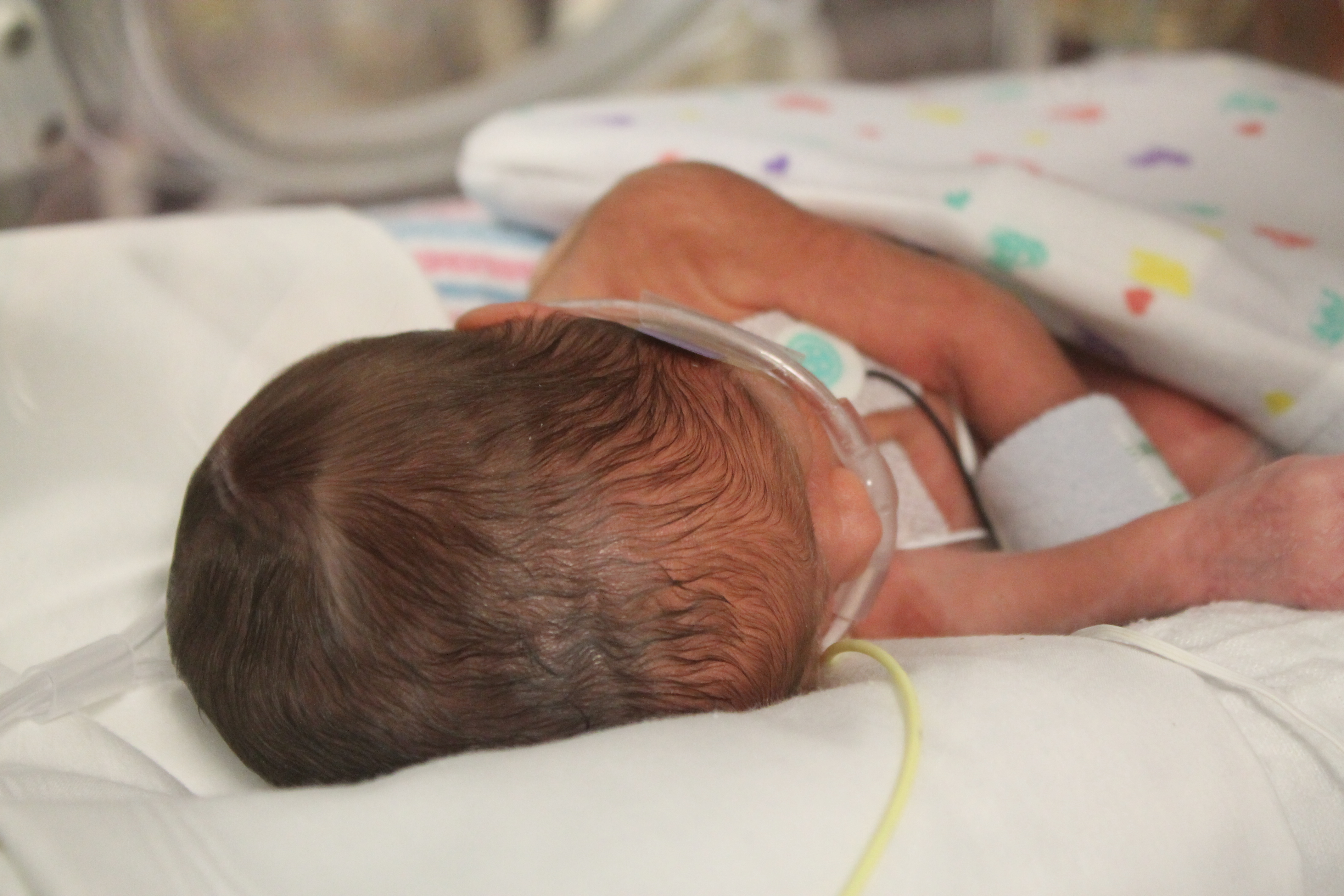
Bonus shot… love this hair 🙂
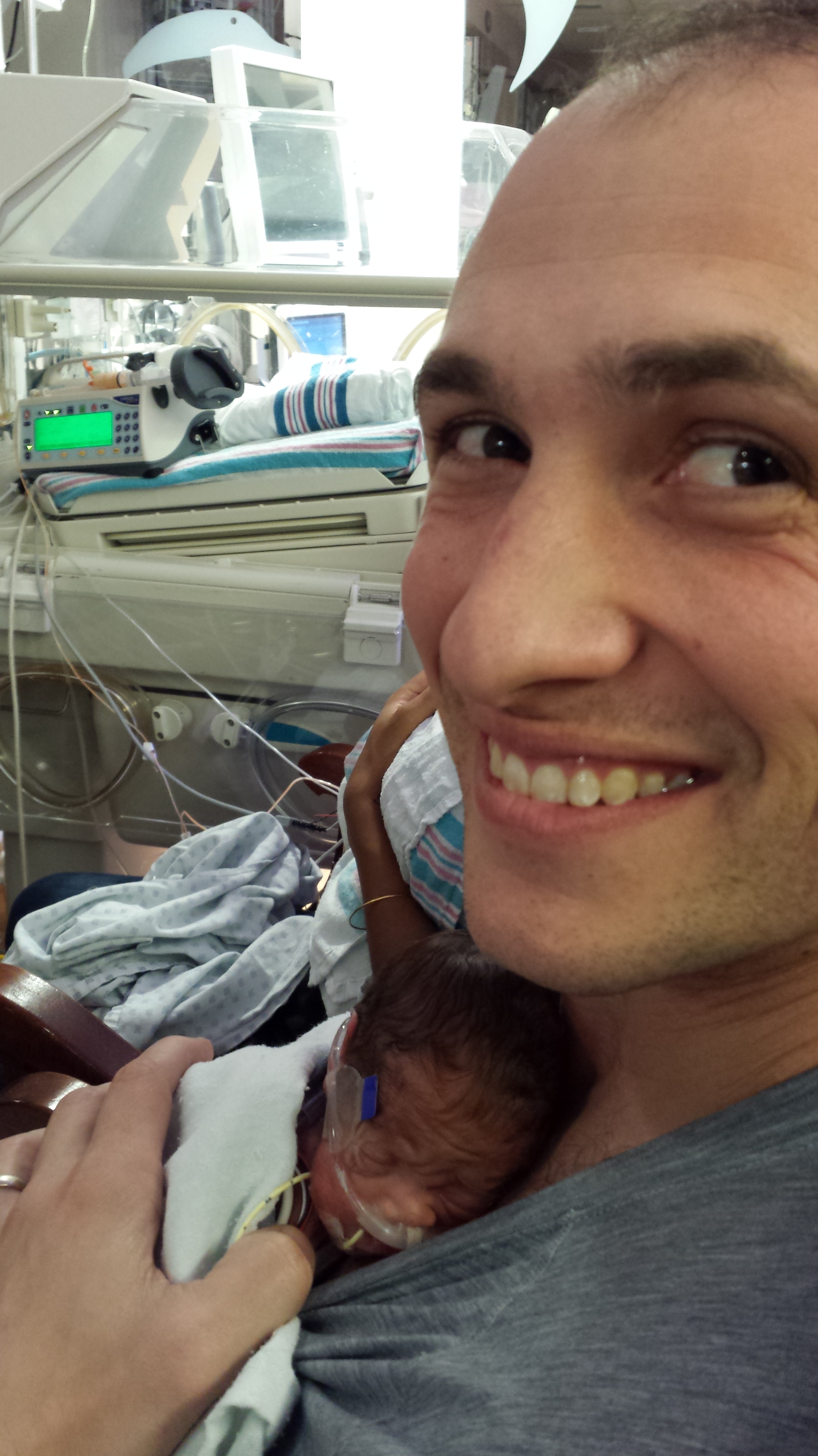
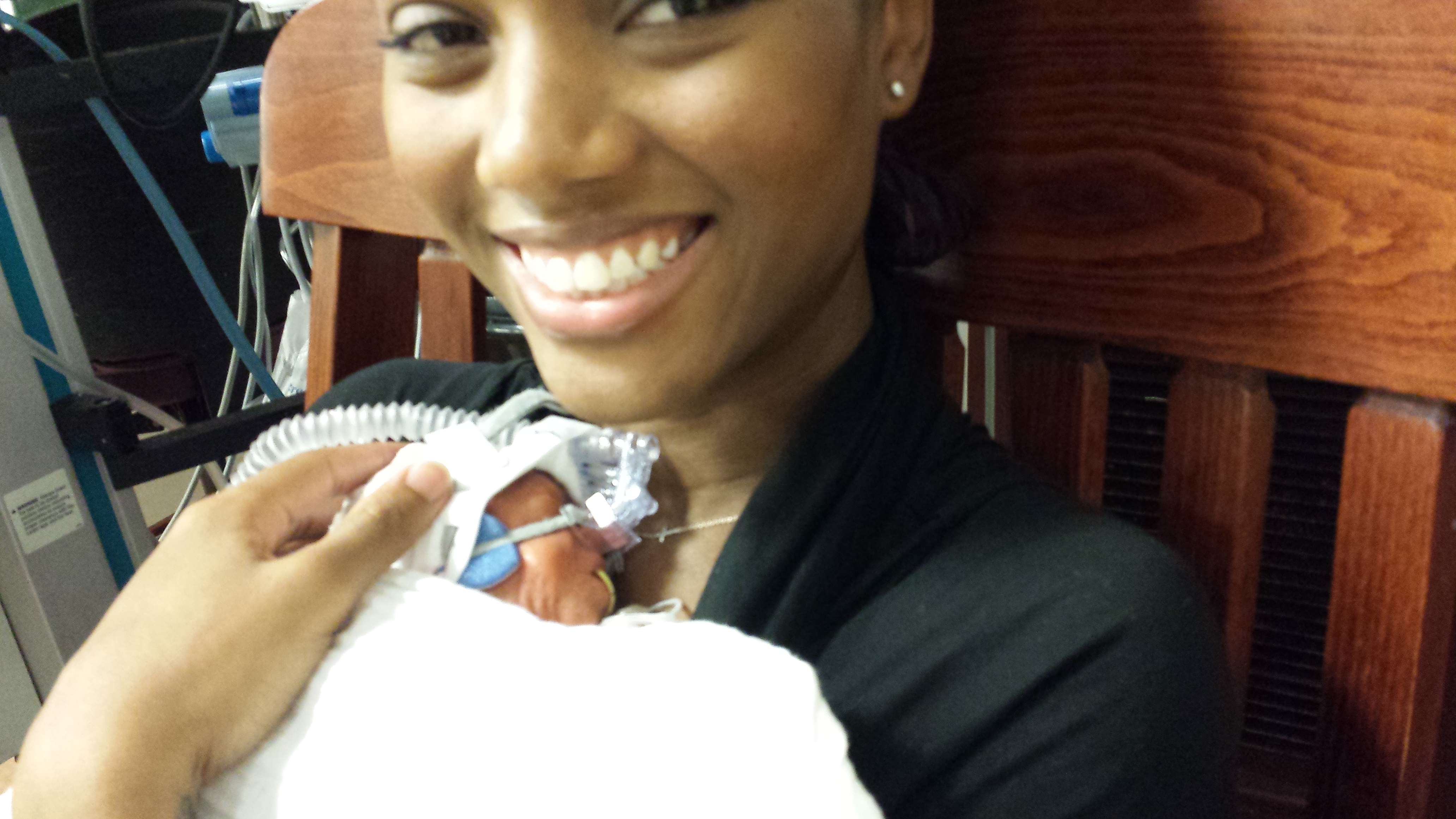
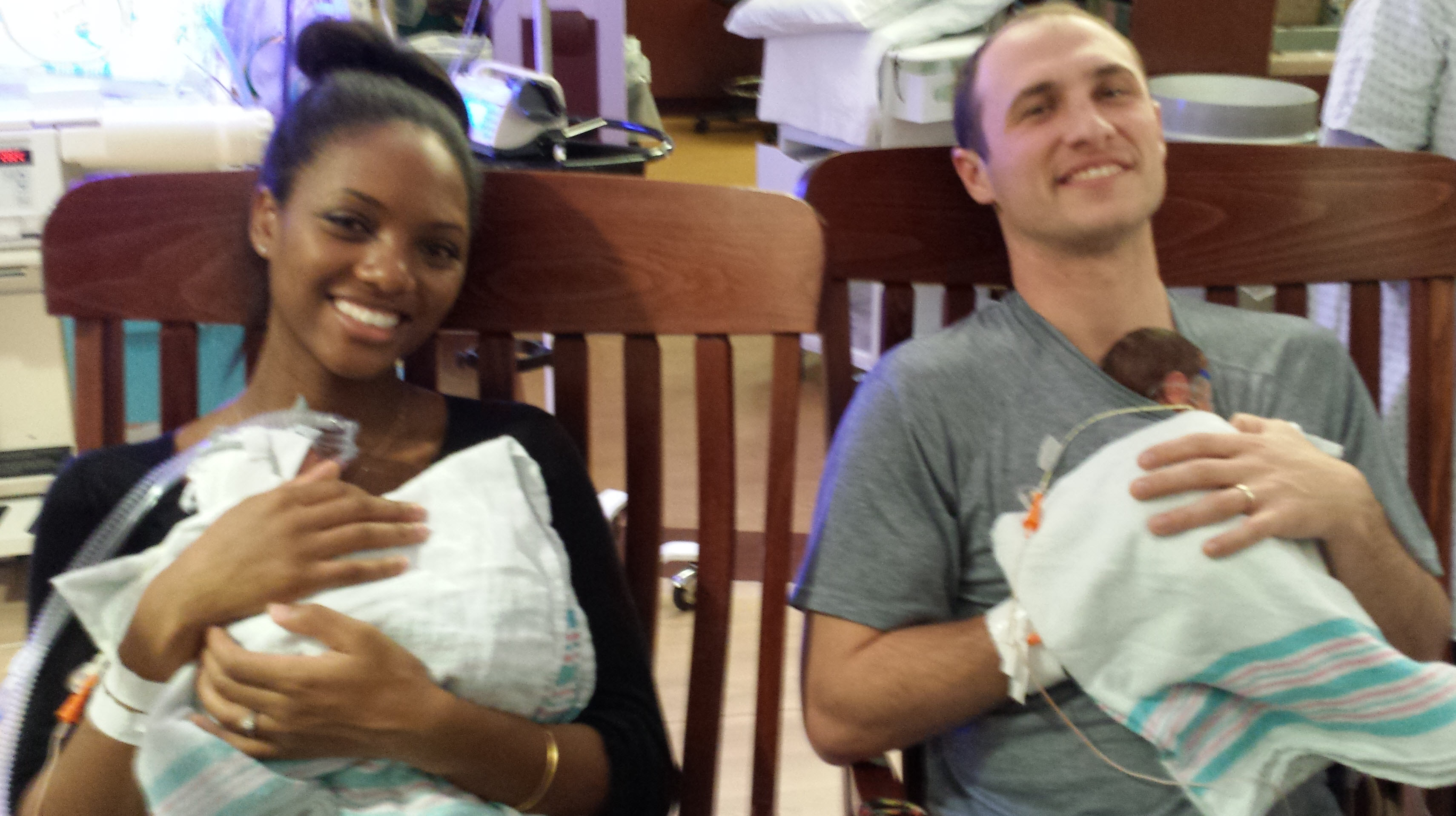


 Max & Michaela